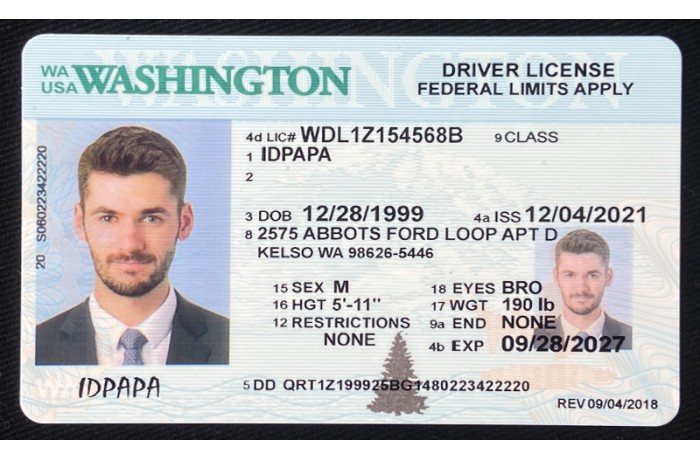
In today's online landscape, our data are constantly at threat. ID fraud is a growing problem that can deeply impact your personal well-being. To minimize this danger, it's vital to safeguard your online persona and utilize strong measures.
Start by establishing robust passwords for all your services and stay away from using the identical password everywhere. Enable multi-factor authentication whenever available to enhance an extra click here layer of security.
Stay mindful when disclosing your personal information online. Thoroughly examine websites and emails before tapping URLs. Be cautious when making online transactions. Use secure platforms and track your statements frequently.
Flag any unusual activity to the appropriate authorities. By following these practices, you can significantly safeguard your digital persona and reduce the threat of ID fraud.
Navigating the Labyrinth: Understanding copyright Laws and Their Implications
The world of ID cards can be a complex one, especially when it comes to underage individuals seeking access to establishments that dispense adult beverages. Constructing a copyright may seem like an easy way around these restrictions, but the consequences of such actions can be severe. Understanding the legal ramifications of possessing or utilizing a copyright is essential to avoiding potential trouble.
- Furthermore, it's important to recognize that regulations regarding copyright vary from state to state, so it's crucial to research the specific rules in your area.
- Possessing a copyright can result in hefty fines, community service, or even incarceration.
- Aside from the legal outcomes, using a copyright can also damage your reputation and make it more difficult to obtain positions in the future.
Biometric Security: The Future of Identity Verification
As technology advances at a rapid pace, so too do the methods used to verify identities. Traditional authentication methods, such as passwords and PINs, are becoming increasingly vulnerable to compromises. Biometric security, which utilizes unique biologicaltraits for verification, is emerging as a more robust and secure solution. This technology leverages features like fingerprints, facial recognition, iris scans, and voice patterns to authenticate individuals with high accuracy.
- Biometric systems offer enhanced security by eliminating the risk of stolen or shared credentials.
- They provide a convenient and user-friendly experience, as users no longer need to remember complex passwords.
- The increasing implementation of biometrics in smartphones, laptops, and other devices further solidifies its position as the future of identity verification.
While biometric security presents numerous benefits, it also raises concerns about privacy and data protection. Implementing robust safeguards to ensure the secure storage of sensitive biometric data is crucial. As we move towards a future where biometrics play a central role in identity management, striking a balance between security and privacy will be paramount.
Moving Past Passwords
In today's digital landscape, the traditional password is increasingly becoming a vulnerable point. Cybersecurity threats are constantly evolving, making it imperative to explore more robust and innovative identity confirmation technologies. Biometric authentication, leveraging unique biological traits like fingerprints or facial recognition, offers a promising solution by providing a higher level of security than passwords. Additionally, multi-factor authentication (MFA) adds an extra layer of protection by requiring users to provide multiple forms of identification, comprising something they know, something they have, and something they are. These advanced technologies aim to create a more secure and seamless user experience, protecting sensitive data and strengthening online safety.
Embracing these innovative approaches allows organizations to mitigate the risks associated with traditional passwords and establish a more secure foundation for digital identity.
Preventing Identity Theft: A Multi-Layered Approach
Protecting your identity/personal information/data is paramount in today's digital landscape/world/environment. Identity theft, a growing/increasing/rampant threat, can have devastating/severe/profound consequences. Combatting this menace/issue/problem requires a multi-layered approach that encompasses several/various/multiple key strategies/measures/steps.
One crucial layer/aspect/element is strong/robust/comprehensive cybersecurity practices. This includes using complex/unique/strong passwords, enabling two-factor authentication/verification/approval, and being vigilant/aware/careful about phishing attempts/scams/schemes. Regularly monitoring/reviewing/checking your credit reports for any suspicious/unusual/irregular activity is also essential.
Additionally, adopting/implementing/embracing best practices for handling/protecting/safeguarding your personal/sensitive/confidential information can help mitigate/reduce/minimize the risk of theft.
Be mindful/cautious/conscious about sharing details/information/data online and be wary of unsolicited/unknown/suspect requests for credentials/logins/access. Remember, a proactive approach to identity protection is your best defense/weapon/shield against this persistent/growing/common threat.
Safeguarding Your Privacy in a Digitally Connected World
In today's hyper-connected world, your data security is more important than ever. As we share vast amounts of details online, it's vital to implement measures to defend our cyber identity.
Periodically analyze your security configurations on all your devices. Practice awareness when clicking with hyperlinks, and steer clear of questionable websites. Employ strong, complex passwords for each platform, and consider using a encryption software to enhance your digital defense.
Stay informed of the latest privacy threats, and inform yourself on best practices to reduce your exposure. Remember, protecting your privacy is an ongoing process that requires awareness.